








Reverse Osmosis vs. Carbon Filters: Which Is Better?
by
Dr. Jonathan Doyle - Updated February 02, 2026


However, it is important to note that clean, safe drinking water is a necessity that cannot be overlooked in any
home. The numerous options of water filtration systems that are currently available in the market, however, make
it overwhelming when it comes to selecting the best water filtration system. In Europe, it is important to note
that drinking water is relatively safe, but it is not completely free of impurities, including chlorine.
Currently, there are two water filtration methods that are popular, which are reverse osmosis water filtration
and carbon water filtration. Though these water filtration methods are effective, it is important to note that
they work differently. Reverse osmosis water filtration is effective since it reduces almost all impurities from
water.
In this article, we are going to discuss the difference between reverse osmosis water filtration and carbon
water filtration, enabling you to make the best choice when it comes to selecting the best water filtration
system that meets your needs. We are also going to highlight some of the current water filtration technologies,
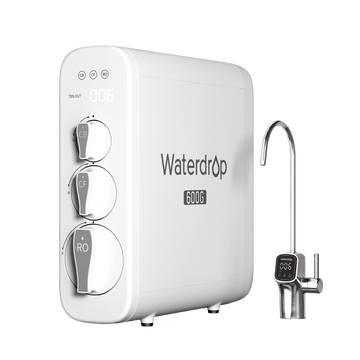
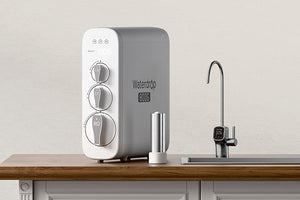
including the Waterdrop RO water filtration system .
What Is Reverse Osmosis Water Filtration?
Reverse osmosis water filtration is a water filtration method that utilizes a semi-permeable membrane to reduce
impurities from water. The water filtration method works by forcing water through the membrane, leaving
impurities behind.

Reverse osmosis water filtration is effective since it is capable of removing impurities such as fluoride,
arsenic, lead, nitrates, chlorine, and even microplastics. No wonder it is the best water filtration method that
is widely used by homes that are committed to having the purest water.
It is important to note that reverse osmosis water filtration is a multi-stage water filtration method. This is
because it is capable of removing virtually all impurities from water, making it safe, clean, and even tasting
great. This is why it is the best water filtration method, according to the Waterdrop X
Series .
Click here to learn more about What Does Mineral Water Do for Your Body and Health?
What Are Carbon Water Filters?
There are two types of carbon filters:
- Granular Activated Carbon (GAC) - used in pitcher water filters, generally for taste and odor improvement.
- Carbon Block Filter - used for under-sink and whole-house systems, more dense than GAC.
Though carbon water filters are great for improving the taste and odor of water, they are not very effective in
removing dissolved solids such as heavy metals, fluoride, and nitrates. They are great for improving the taste
and removing chlorine from water.

Reverse Osmosis vs. Carbon Filters: How They Compare
Reverse Osmosis water filters reduce almost every dissolved solid and impurity from water, including fluoride,
heavy metals, nitrates, and even microplastics. On the other hand, carbon water filters reduce chlorine, VOCs,
and other taste and odor impurities from water.
Reverse Osmosis water is very pure and refreshing, though it is devoid of certain mineral content. On the other
hand, water filtered by a carbon filter tastes much fuller, with mineral content intact.
Another difference between the two is that while Reverse Osmosis water filters are generally more difficult to
install and maintain, carbon water filters are much easier to install and maintain.
Related article: How to Make Water More Alkaline?
Lastly, the cost factor is also a major difference between the two. Reverse Osmosis water filters are more
expensive initially, though they are long-term water purification systems. On the other hand, carbon water
filters are much cheaper initially, though one would have to replace them over time.
What Kind of Impurities Does Each Filter Reduce?
If you are still undecided between the two, then it is best to know what kind of impurities each filter is able
to reduce from water. This will help you make a more informed decision about which water filter is best for you
and your home.

Reverse Osmosis
- Reduces fluoride
- Reduces lead and other heavy metals
- Reduces nitrates and nitrites
- Reduces chlorine and chloramine
- Reduces PFAS
- Reduces sediment and rust
Carbon Filter
- Reduces chlorine
- Reduces pesticides and herbicides
- Reduces VOCs
- Reduces taste and odor impurities
- Reduces sediment (depending on the filter type used)
If your water contains heavy metals, fluoride, and chemical impurities, then it’s better to use an RO filter. If
you want to improve the taste and reduce chlorine, then a carbon filter is better.
Differences in Taste, Smell, and Water Quality
Taste and smell are two factors to take into consideration when choosing a water filter. The water from an RO
filter tastes clean and pure but lacks a certain flavor. The water from a carbon filter tastes better, with a
fuller flavor, as it reduces chlorine but leaves the minerals in the water. The water from an RO filter does not
have a smell, but the water from a carbon filter reduces most, if not all, odor-causing impurities.
Which Is Best for Your Home?
To determine which water filter is best for your home, you have to consider what you want most.
Choose Reverse Osmosis When:
- Your water contains heavy metals, fluoride, and nitrates
- You want the purest water for drinking and cooking
- Safety is your priority, especially for your kids

Choose Carbon Filters When:
- Taste and chlorine removal are your priority
- Your water is relatively clean to begin with
- You want a simple, inexpensive, and easy-to-install system
Many people use a combination system that has a carbon pre-filter and an RO membrane.
How to Select a Good Water Filter
To make a good choice when it comes to a water filter, it is important to consider a number of factors:
- Water Quality Report : Check your local water report
- Certifications: Check for NSF/ANSI certification
- Filter Lifespan: Consider how long it lasts
- Flow Rate: Make sure it can meet your household water demands
- Additional Features: Remineralization, energy-saving, smart filter monitoring, etc. - Waterdrop has many such features
By considering all these factors, it becomes easier for people to make a good choice when it comes to a water
filter.
Conclusion
Reverse osmosis filters and carbon filters are two different types of filters that are used for different
purposes. While an RO system can help reduce almost every kind of impurity from water, a carbon filter can only
help reduce chlorine from water, thus enhancing its taste. When it comes to choosing a water filter for your
home in the UK, an RO system or a combination system such as Waterdrop can be a good choice.

Choose Your Water Solutions
- Smart Reverse Osmosis System No Tank, No Bacteria
- Water Filter for Sink Space & Water Saving
- Refrigerator Water Filter Pure Water, Effortlessly
- Water Filter Pitcher Stay Hydrated Always
- RO System Replacement Filters Change Your Filters Regularly
Categories
- Buyer's Guide Complete buying guides to help you choose wisely
- Water Contaminants Offer the best solution to solve the water problems
- Water Stewardship Responsibility for sustainable water management
- Home and Wellness A better and healthier world for individuals and families
- Customer Voice Take a look at how other users evaluate Waterdrop


