







Does Drinking Water Help You Poop?
by
Dr. Jonathan Doyle - Updated March 02, 2026


Constipation is something that most people have experienced at some stage of their lives. The difficulty of
bowel movements is something that affects people’s moods as well.
You have probably heard that drinking more water helps with constipation. Is this really the case? If you have
ever been curious about whether or not drinking water helps with bowel movements, then you are certainly not
alone. Let’s take a look at the ways in which water helps with digestion.
The Role of Water in Digestion
Water is necessary for nearly all of the body’s functions, and digestion is no exception. From the time that we
start to eat, our body begins to digest the foods that we have consumed.
The digestive system
needs to be well hydrated at all times in order
to function correctly. When there is enough
water in the body, it helps to:
- Dissolve nutrients that are necessary for digestion
- Soften the stool to make bowel movements easier
- Help smooth muscles to contract in the intestines
- Help waste pass more easily through the digestive tract
When there is not enough water in the body, the colon absorbs more water from the waste that we have consumed.
This causes bowel movements to be more difficult, which is known as constipation.

Does Drinking Water Help You Poop?
Yes, drinking water helps with bowel movements. Water helps with bowel movements in several ways.
When your body is well hydrated, your stools have enough moisture to be soft and bulky. This helps to ease bowel
movements.
When your body is dehydrated, your stools are dry and hard, which makes bowel movements more difficult.
Related article: Reverse Osmosis vs. Carbon Filters.
Supports Intestinal Movement
Water helps to facilitate peristalsis, which are the intestinal muscle movements that help to push your stools
out of your body. When your body is dehydrated, this movement becomes slower.
Works Together With Fibre
Water works with fibre to help ease bowel movements. Fibre helps to soak up water, which makes your stools
bulkier and softer.
However, if you increase your fibre intake without increasing your water intake, your bowel movements may become
worse. Therefore, to make fibre more effective in easing bowel movements, your body must be well hydrated.

How Much Water Should You Drink for Constipation?
The amount of water that you should be drinking varies depending on your body size, your diet, your level of
physical activity, your age, and your geographic location.
According to European health recommendations, an average adult should be aiming to consume at least:
- 1.6 litres of water daily if you are a woman
- 2.0 litres of water daily if you are a man
This means that you should be getting your water from your food as well as your beverages. However, if you are
in hot weather or if you are more physically active than average, your body may require more water than this.
Click here to learn more about Everything You Need to Know About Soda Water .
If you are experiencing constipation, increasing your water intake may help to ease your bowel movements.
However, it is better to take your water in small amounts throughout the day rather than gulping down large
amounts at any single time.
Other Natural Ways to Relieve Constipation
While drinking water is an effective remedy for constipation, there are other ways that you should be taking
care of your body.
Increase Fibre Intake
Dietary fibre increases stool bulk. Foods high in fibre include:
- Fruits (such as pears, apples, and berries)
- Vegetables (such as leafy greens)
- Legumes (such as beans and lentils)
- Whole grains
- Seeds (such as chia seeds and flaxseeds)

Increase your fibre consumption gradually. Drink an adequate amount of water to help with digestion.
Stay Physically Active
Exercise can stimulate bowel movements. Engage in regular physical activity, such as walking, stretching, or
yoga.
Use Natural Laxative Foods
Some foods may help stimulate bowel movements. They include:
- Prunes
- Figs
- Flaxseeds
- Chia seeds
- Kiwi
These fruits are a good source of dietary fibre and may help stimulate bowel movements.
Develop a Bathroom Routine
Establish a bowel movement pattern. Try to go to the bathroom at the same time every day, especially after
meals. Do not delay bowel movements. Give yourself enough time without rushing.
Signs You May Not Be Drinking Enough Water
Dehydration is a mild condition. You may be experiencing dehydration if you are experiencing:
- Hard and infrequent bowel movements
- Bloating
- Fatigue
- Headache
- Dry mouth and lips
- Dark yellow colour of your urine
If you are experiencing these symptoms regularly, drinking an adequate amount of water may help improve your
bowel movements and overall well-being.
Best Types of Water for Digestive Health
Drinking water is essential. However, many people in Europe prefer filtered water as it is free from chlorine,
limescale, and other impurities.
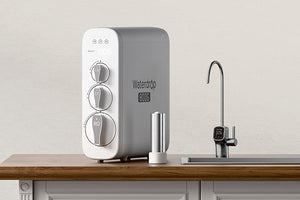
Filtered water systems, like RO systems , may help to:
- Improve the taste and odour of the water
- Reduce impurities
- Deliver consistent water quality
- Promote adequate daily water intake
When water tastes good, you will likely want to drink it, which will help your digestive system.

Conclusion: Hydration Supports a Healthy Gut
So, does water help you poop? Yes, it does. It will help soften your stool and work together with dietary fibre
to help you poop normally.
If you get constipated from time to time, you may want to start by increasing your water intake. It is a natural
and harmless way to help you poop. It will work hand in hand with your dietary fibre to help you poop normally.
Frequently Asked Questions (FAQ)
Can drinking warm water help relieve constipation?
Yes, it may help stimulate your digestive system, especially when you wake up in the morning. It will help relax
your digestive muscles and get your digestive system running.
How fast will drinking water relieve constipation?
If your constipation is mainly due to dehydration, you will likely feel better within a few hours. However, if
your constipation is not due to dehydration, it may take 24–48 hours. If you remain constipated for longer than
that, you should see a doctor.
Can drinking too much water cause health problems?
Yes, it may cause hyponatraemia, which is when your body has too little sodium. Sodium is an essential chemical
that helps your body and brain work properly. You must spread your water intake throughout the day and avoid
drinking excessive amounts at one time.
Does water help children get rid of constipation?
Yes. Children should also stay hydrated to ensure proper digestive function. Encourage them to drink plenty of
fluids, especially during hot weather or physical activity. For persistent constipation, consult a healthcare
professional.

Choose Your Water Solutions
- Smart Reverse Osmosis System No Tank, No Bacteria
- Water Filter for Sink Space & Water Saving
- Refrigerator Water Filter Pure Water, Effortlessly
- Water Filter Pitcher Stay Hydrated Always
- RO System Replacement Filters Change Your Filters Regularly
Categories
- Buyer's Guide Complete buying guides to help you choose wisely
- Water Contaminants Offer the best solution to solve the water problems
- Water Stewardship Responsibility for sustainable water management
- Home and Wellness A better and healthier world for individuals and families
- Customer Voice Take a look at how other users evaluate Waterdrop


