








Does Well Water Need to Be Purified?
by
Dr. Jonathan Doyle - Updated May 16, 2025


Across many parts of Europe, particularly in rural areas of France, Germany, Poland, and the Nordic countries,
thousands of homes still rely on private wells as their main water source. If you’re among them, you may be
wondering: Does well water need to be purified?
The short answer is — often, yes. While well water might seem pure and natural, it can still contain invisible
threats such as bacteria, nitrates, pesticides, or heavy metals. That said, there are also many misconceptions
about well water that deserve clarification.
In this guide, we’ll break down the truth about well water in Europe, tackle the most common myths, and explain
when and how well water purification might be necessary for your home.
What Is Well Water?
Well water is groundwater drawn directly from a private well — usually drilled into underground aquifers that
sit below the water table. Unlike municipal water supplies, well water is not treated by public authorities.
That means you are responsible for ensuring its safety.

Well water systems are most common in:
- Rural areas without public mains
- Farms and country homes
- Mountain villages
- Off-grid properties and holiday cottages
Across Europe, well water is used for drinking, cooking, washing, and irrigation — often prized for its mineral
taste and independence from public systems.
Myth or Fact? Common Beliefs About Well Water in Europe
Let’s separate truth from fiction when it comes to your private water source.
Myth 1: “Well Water Is Always Clean Because It’s Natural”
False. While aquifers provide a natural filter, they are still vulnerable to contamination from:
- Agricultural runoff (nitrates, pesticides)
- Septic tank leaks
- Industrial pollutants
- Animal waste
In many parts of Eastern and Southern Europe, nitrates from fertiliser use are a significant risk to groundwater
quality.

Myth 2: “If My Water Looks Clear, It Must Be Safe”
False again. Many dangerous contaminants are invisible and tasteless — including:
- E. coli and other bacteria
- Arsenic
- Nitrates
- Lead
Clear water doesn’t mean clean water. Regular testing is crucial.
Myth 3: “Well Water Doesn’t Need Testing if I’ve Been Using It for Years”
Not true. Groundwater conditions can change over time. Heavy rainfall, nearby construction, or changes
in farming practices can introduce new risks. The EU recommends private well owners test their water at least
once a year.
Fact: “Well Water Can Taste Better Than Tap Water”
True! Many people in Germany, Austria, and Switzerland prefer the taste of their own well water,
especially if it’s rich in calcium, magnesium, or iron. However, taste does not guarantee safety.
When Does Well Water Need to Be Purified?
Well water purification may be necessary in any of the following scenarios:
1. After Testing Shows Contamination
If lab tests reveal:
- Coliform bacteria or E. coli
- Nitrate levels above 50 mg/L
- Excessive hardness or iron
- Presence of arsenic, lead, or fluoride
…it’s time to install a purification
system .

2. If You’re in a High-Risk Area
Some regions in Europe are more prone to well water contamination:
- Southern Spain and Italy: High nitrate levels from agriculture
- Poland and Hungary: Arsenic in groundwater
- UK and Ireland: Pathogens from livestock runoff
Even if water seems fine, local geology and farming may put your water at risk.
3. For Sensitive Households
Even minor contamination can affect:
- Children and babies
- Pregnant women
- Elderly people
- Anyone with a weakened immune system
If your household includes anyone from these groups, purifying your well water is strongly recommended.
Well Water Treatment Options in Europe
UV Purification
Kills bacteria and viruses using ultraviolet light — ideal for clear water with microbial contamination.
- Popular in the UK and Nordic countries
- No chemicals or taste change
- Requires electricity and annual bulb replacement

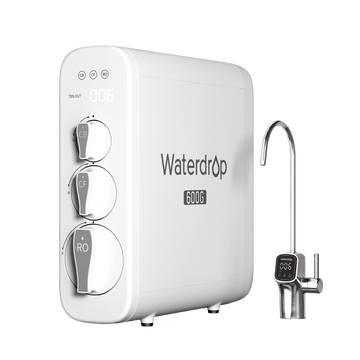
Reverse Osmosis (RO) Systems
Reverse
Osmosis System removes most contaminants, including:
- Nitrates
- Heavy metals
- Fluoride
- Chlorides
- Effective but may waste water
- Usually installed under kitchen sinks
- Widely available across Europe
Activated Carbon Filters
- Removes pesticides, odours, chlorine, and organic pollutants
- Often used in combination with other methods
Water Softeners
- Specifically target hardness caused by calcium and magnesium
- Common in areas like southern Germany and northern France
- Prevents limescale and protects plumbing
Whole House Filtration Systems
- For homes using well water throughout
- Filters sediment, iron, manganese, and microbes
- Usually installed at the point of entry
How to Test Your Well Water in Europe?
Regular testing is key to knowing if purification is needed.

Where to Test
You can:
- Send samples to certified labs (available in most countries)
- Use at-home testing kits for basic parameters (pH, hardness, nitrates)
- Contact local health/environment departments (some offer subsidised testing)
What to Test For
Basic well water tests in Europe should include:
- Coliform bacteria and E. coli
- Nitrate and nitrite
- pH and hardness
- Iron and manganese
- Arsenic and lead
Pros and Cons of Using Well Water
Pros
- Independence from mains supply
- Often free after setup
- Naturally high in minerals
- Great for gardening and irrigation
Cons
- Requires regular testing
- Risk of contamination
- May need complex treatment
- Can affect appliance lifespan if hard

Tips for Keeping Your Well Water Safe
- Test annually (or more often if needed)
- Seal your well properly
- Keep animal waste and chemicals far away
- Inspect your wellhead for cracks or leaks
- Install water filtration system based on test results
Final Thoughts: Should You Purify Your Well Water?
If you use a private well in Europe, don’t assume the water is automatically safe. While many well systems
deliver great-tasting and mineral-rich water, contamination risks are real and often invisible.
The safest approach is:
- Test regularly
- Know your region’s risks
- Install a purification system if results demand it
In the end, well water offers incredible freedom and taste — but that comes with responsibility. By taking a
proactive approach to testing and purification, you can enjoy clean, safe water that meets both your family’s
needs and European safety standards.

Choose Your Water Solutions
- Smart Reverse Osmosis System No Tank, No Bacteria
- Water Filter for Sink Space & Water Saving
- Refrigerator Water Filter Pure Water, Effortlessly
- Water Filter Pitcher Stay Hydrated Always
- RO System Replacement Filters Change Your Filters Regularly
Categories
- Buyer's Guide Complete buying guides to help you choose wisely
- Water Contaminants Offer the best solution to solve the water problems
- Water Stewardship Responsibility for sustainable water management
- Home and Wellness A better and healthier world for individuals and families
- Customer Voice Take a look at how other users evaluate Waterdrop


