

What Is PFAS in Drinking Water?
vum Dr. Jonathan Doyle - Updated January 18, 2026

Drinking clean and safe water is a fundamental requirement for a healthy life. However, in recent years,
concerns about water contamination have increased across the European Union. Among the contaminants drawing
growing attention is a group of chemicals known as PFAS.
This guide is designed for Europe consumers who want to better understand what PFAS are, how they may enter
drinking water, and what practical steps can be taken at home to reduce potential exposure.
What Are PFAS?
PFAS is an abbreviation for per-and
polyfluoroalkyl substances , a large group of synthetic chemicals that have
been widely used since the mid-20th century. These substances are commonly found in products such as non-stick
cookware, waterproof clothing, food packaging, stain-resistant fabrics, and firefighting foams.
PFAS are often referred to as “forever chemicals” because they do not easily break down in the environment. Once
released, they can persist for decades, accumulating in water sources, soil, wildlife, and the human body over
time.
How PFAS Get Into Tap Water
PFAS can enter drinking water through several pathways, including:
- Industrial activity: Manufacturing facilities that produce or use PFAS may release them into nearby water systems
- Firefighting foam: Airports, military sites, and firefighting training areas often use PFAS-based foams that can contaminate groundwater
- Landfills and wastewater: Consumer products containing PFAS can release these substances through landfill runoff or sewage discharge
Because PFAS are highly stable, they are difficult to remove once they enter the environment and may remain in
water supplies for long periods.
Related report: New study confirms huge and growing costs of PFAS pollution

Reverse Osmosis Filtration
Reverse
osmosis (RO) filtration is considered one of the most effective household technologies for reducing PFAS
in drinking water. RO systems use a semi-permeable membrane with extremely small pores that physically block
PFAS molecules, along with many other contaminants such as heavy metals and dissolved solids.
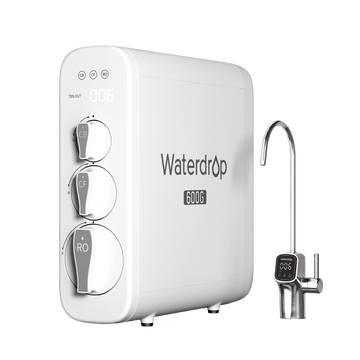
For households across the EU, installing a high-quality reverse osmosis water filtration system can
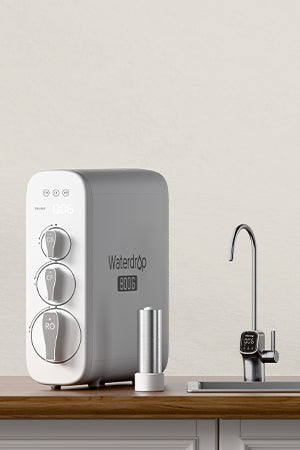
significantly reduce PFAS exposure at the tap. Waterdrop reverse osmosis systems use multi-stage filtration that
combines RO membranes with activated carbon to improve both water safety and taste.
Activated Carbon Filters
High-quality activated carbon filters can also help reduce PFAS in drinking water. These filters work through
adsorption, allowing chemical compounds to bind to the surface of the carbon material.
However, not all carbon filters are equally effective against PFAS. Performance depends on filter design,
contact time, and whether the filter is specifically tested for PFAS reduction. For this reason, it is important
to choose certified filtration systems designed for PFAS removal.

Bottled Water
Using bottled water may reduce PFAS exposure in the short term, but it is not a sustainable long-term solution.
Bottled water can be costly, environmentally damaging, and does not always guarantee lower PFAS levels compared
to properly filtered tap water.
Are PFAS Regulations in the EU Sufficient?
The European Union has taken steps to address PFAS contamination through both chemical safety legislation and
drinking water regulations. Under the EU Drinking Water Directive (EU 2020/2184) , member states are required
to
monitor PFAS in drinking water and ensure concentrations remain below established limits.
That said, enforcement and monitoring practices can vary between countries. Local infrastructure, historical
industrial activity, and contamination sources can all influence PFAS levels. In certain regions—particularly
near industrial zones, airports, or former firefighting training sites—PFAS concentrations have exceeded
recommended thresholds.
Because PFAS are persistent and widespread, trace amounts may still be present even in treated municipal water.
As a result, many EU households choose point-of-use filtration systems, such as reverse osmosis filters, to add
an extra layer of protection at home.
How to Reduce PFAS Exposure in Daily Life
In addition to filtering drinking water, the following steps may help reduce PFAS exposure in everyday life:
- Avoid non-stick cookware: Choose stainless steel or ceramic alternatives
- Check personal care products: Some cosmetics and toiletries may contain PFAS
- Be cautious with food packaging: Fast-food wrappers and microwave popcorn bags may use PFAS-based coatings
- Filter your water: Certified water filters designed to reduce PFAS can significantly lower exposure
People Also Ask
Can boiling water reduce PFAS?
No. Boiling
water does not reduce PFAS and may actually increase concentration by evaporating water while
leaving PFAS behind.

What European regions have detected PFAS in drinking water?
PFAS contamination has been detected in various parts of Europe, particularly near industrial areas, airports,
and firefighting training sites. Reports have identified PFAS in regions of Belgium, Germany, the Netherlands,
Italy, and Nordic countries. For the most accurate and current information, consumers should consult national or
local water authority reports.
Can my home in the EU have PFAS contamination without my knowledge?
Yes. PFAS contamination is often invisible and odorless. While municipal water reports provide general
information, testing water directly from your household tap is the most reliable way to assess exposure.
Installing a certified reverse osmosis system can provide additional peace of mind.
Why Choosing the Right Water Filter Matters
Not all water filters are created equal. Waterdrop reverse osmosis systems use multi-stage filtration that
combines RO membranes with activated carbon to reduce PFAS and other contaminants such as chlorine and heavy
metals.
Benefits of using Waterdrop filters include:
- Improved water purity and taste
- Easy installation and maintenance
- Long-lasting filters suitable for European households
- Increased confidence that PFAS exposure is being reduced

With a Waterdrop reverse osmosis system installed, households can enjoy cleaner drinking water while maintaining
the convenience of tap water.
Takeaway
The presence of PFAS in European drinking water has raised concern due to their persistence and potential health
risks. While municipal treatment systems are designed to meet regulatory standards, household filtration remains
one of the most effective ways to further reduce exposure.
Reverse osmosis filtration offers a practical, long-term solution for EU households seeking cleaner drinking
water. By staying informed, testing water when necessary, and using certified filtration systems, consumers can
take meaningful steps to protect their households and improve everyday water quality.
Contaminants Detected in
Fruitland Water
Special
Service District
30
Contaminants
EXCEED EWG HEALTH GUIDELINES
EXCEED EWG HEALTH GUIDELINES
30 Total Contaminants in Your Water
Water Provider
Fruitland Water Special Service DistrictPopulation Affected
120,000Water Source
Ground waterExceeds Guidelines
Others Detected
Thank You For Subscribing!
We are thrilled to have you on board and look forward to
sharing
exciting updates, exclusive offers, and valuable insights with you.