

How to Dechlorinate Tap Water?
door Dr. Jonathan Doyle - Updated January 07, 2026

Humans, ranging from an individual to a water plant, use chlorine to disinfect water and destroy any bacteria or
other unpleasant microscopic organisms that might have contaminated their water. The principle here is quite
simple: by using chlorine to destroy these microscopic organisms, you are making your water safe for drinking.
However, chlorine has its drawbacks too, as it can also leave your water with a sharp odor and unpleasant taste,
and drinking too much chlorine can also have unpleasant side effects for your health. This has led many people
to want to rid their water of chlorine before drinking.
So, you are probably wondering how to dechlorinate your water. Do you boil your water or use some other
technique to get rid of chlorine? Well, let’s see.

How Does Chlorine Get into Tap Water?
Most often, a water treatment facility will use chlorine to disinfect your water before distributing it for use
by households.
However, chlorine has its unpleasant side effects, as it also has a sharp odor and unpleasant taste. Drinking
chlorinated water also
has unpleasant side effects, as it irritates your skin whenever you come into contact
with water containing chlorine. This has led many people to avoid chlorinated water in swimming pools, as they
have sensitive skin.
However, for your water, it is important to learn how to remove chlorine so that your water can become clean and
refreshing for drinking.
Is It Safe to Drink Chlorinated Water?
Most often, drinking small amounts of chlorinated water will have no unpleasant side effects for your health,
the EU
Drinking Water Directive has set limits for chlorine use so that your water will be safe for drinking.
However, many health-conscious Americans also prefer to rid their water completely of chlorine for their health.
Drinking small amounts of chlorinated water every day has unpleasant side effects for your health, which are as
follows:
- Foul smell or odor
- Nasty taste
- Potential long-term health effects
- Skin irritation
- Allergic reactions
People also dechlorinate water to get fresh water for their plants and pets.
The Top 6 Methods to Dechlorinate Your Tap Water
The following are some of the common home remedies or techniques for dechlorinating water:
Leave the Tap Water Alone
Chlorine in water takes time to evaporate when it is exposed to air. A
container of tap water left open will
have no chlorine in 48 hours.
This method is best used for small quantities of water for pets or plants. However, it is not recommended for
drinking purposes.

Boil the Tap Water
Boiling water also works as chlorine evaporates when exposed to air. Boil some tap water in a container for
15–20 minutes; by then, chlorine will have evaporated.
Filter the Water
The latest method of dechlorinating water is to make use of a filter that makes use of carbon to remove chlorine
from water. There are many types of filters for this purpose:
- A faucet-mounted filter
- An undersink filter
Add Vitamin C to the Tap Water
Vitamin C also works as a dechlorinating agent as it neutralizes chlorine in an instant.
The general rule of thumb is about 1,000 mg of Vitamin C per gallon of water. This method is fast and
chemical-free and can be used for drinking water, bath water, and even fish tanks.
Chemical Dechlorinators
Chemical dechlorinators can be purchased at an aquarium or pet store and work fast. They can be used for
aquariums but not for drinking water unless food-grade.

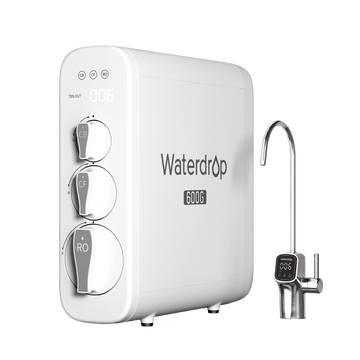
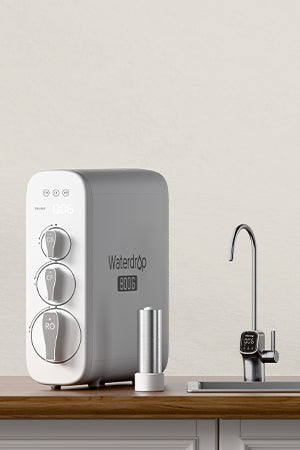
Install a Reverse Osmosis Water Filtration System
Another method is a reverse osmosis water filter system . This method can be very effective and
can be installed
under the sink or connected to your main water line, dechlorinating all water in your home. This method works by
using a semi-permeable membrane to press water through and remove chlorine, heavy metals, and other impurities
from your water, providing you and your family with safe, healthy, and great-tasting water.
Can Reverse Osmosis Eliminate Chlorine from Tap Water?
Yes, a reverse osmosis water filter can eliminate chlorine from tap water. Some
reverse osmosis water filters
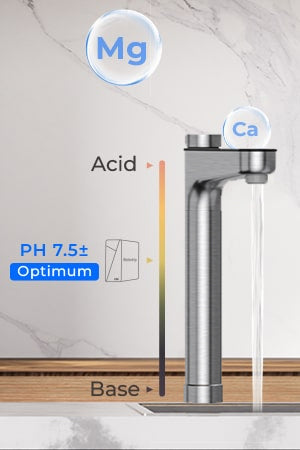
have a carbon filter as well, which removes chlorine and chloramines from the water. Waterdrop offers a safe and
effective reverse osmosis water filter system for your home.
The Best Reasons to Use Dechlorinated Water
Reasons to use dechlorinated water include:
- Healthy plants, as chlorine can kill beneficial soil bacteria
- Safe fish tanks and marine life
- Drinking water for birds, reptiles, and other chlorine-sensitive pets
- Softer hair and skin after bathing when using RO or Vitamin C for shower and bath water

Conclusion
As we can see, there are many different ways to dechlorinate tap water. Some are more suitable for people with a
tighter budget, while others are more suitable for people who are ready to spend money on quality water for
their families, such as a reverse osmosis system. It is by far the best way to dechlorinate water.
FAQs
How long does it take for chlorine to evaporate from my tap water?
It takes 24–48 hours for chlorine to evaporate from an open container at room temperature.
Is boiling an effective way to evaporate chlorine from tap water?
Yes. Boiling water for 15–20 minutes will evaporate chlorine.
What is the quickest dechlorinating method?
Chemical dechlorinators or Vitamin C are the quickest methods for dechlorination.
Is it safe to drink dechlorinated water?
Yes. It is safe to drink dechlorinated water. Not only does it taste better, but it is cleaner, healthier, and
can help prevent eye and skin irritations.
Contaminants Detected in
Fruitland Water
Special
Service District
30
Contaminants
EXCEED EWG HEALTH GUIDELINES
EXCEED EWG HEALTH GUIDELINES
30 Total Contaminants in Your Water
Water Provider
Fruitland Water Special Service DistrictPopulation Affected
120,000Water Source
Ground waterExceeds Guidelines
Others Detected
Thank You For Subscribing!
We are thrilled to have you on board and look forward to
sharing
exciting updates, exclusive offers, and valuable insights with you.