







Can You Drink Tap Water in Barcelona? Is It Still Safe 2025?
by
Dr. Jonathan Doyle - Updated November 06, 2025


If you are planning on visiting Barcelona, perhaps for a quick weekend trip, a summer vacation, or an extended
stay. A little question has crossed your mind: can I safely drink the water from the tap in Barcelona?
This is a perfectly valid concern, particularly for people visiting from other parts of Europe, where water can
taste or feel different from what we get used to.
This is a question that we will fully address in this blog, and also provide suggestions on how to improve your
water experience in Barcelona.
The Good Stuff: Yes, Tap Water is Safe
The tap water in Barcelona is, in fact, safe to drink. The local water company, Águas de Barcelona, along with
various health authorities, ensures that the water meets strict European Union and World Health Organization
standards.
Regular monitoring and testing are conducted to guarantee its quality, making it one of the safest drinking
water supplies in Europe
The reasons:
- The tap water adheres to the EU Drinking Water Directive, which mandates rigorous checks for contaminants and ensures that the water remains safe for consumption. This includes testing for bacteria, pesticides, heavy metals, and other pollutants.
- Chlorine is used as a disinfectant during the purification process, which is typical for many cities worldwide, ensuring that the water is free of harmful microorganisms. However, chlorine levels are within safe limits and are not harmful for regular consumption.
Therefore, if you are ever visiting Barcelona, you can rest assured that when you turn on the tap, the flowing
water will be up to standard.
Why Some People Hesitate Anyway
Although it’s safe, many people, including locals, tend to remain a little skeptical when it comes to consuming
water from the tap in Barcelona.

Some problems that people face, which may also provide insight for you, include:
Taste and Smell
Despite its safety, “many people notice that it has a distinctive taste,” which can range from “slightly
chlorinated,” or “hard,” meaning it contains more minerals.
So if you’re sensitive to taste or used to very soft/mild-tasting water, you might notice a difference.
The Regions Of Hardness/Min
The water around Barcelona has quite hard water. This implies that it has higher amounts of both calcium and
magnesium, affecting everything from its taste to the performance of your kettle or coffee machine.
Hard water doesn’t pose any health problems, but it can cause the water to “feel different”.
Public Perception & Bottled Water Culture
Because many restaurants serve bottled water by default (even though tap is safe), some travellers assume the
tap water must be unsafe. In fact, one guide points out that the bottled-water industry in the region influences
what visitors see and expect.
Constructed Buildings/Pipes & Old
If you’re staying in an old building with older plumbing, there is a minor caveat: even though the city’s main
water supply is well-regulated, the internal piping could affect taste or introduce trace materials (not common
but worth noting).
Do You Need to Purchase Bottled Water?
If your tap water is safe, you might wonder: “Is bottled water really necessary?” Let’s break down the pros and
cons of bottled water and see why using a water filter could be a better alternative.

Advantages of Bottled Water:
- Taste consistency : Bottled water can provide a predictable taste, especially if you find local tap water less to your liking.
- Convenience : Perfect for traveling, camping, or when you can’t refill from water fountains. In situations where tap water access is limited, bottled water can be a temporary solution.
Cons of Bottled Water:
- Cost adds up : Although water is inexpensive in Spain, regularly purchasing bottled water can add up quickly over the course of a week.
- Environmental impact : The production of plastic bottles contributes to waste and pollution. A significant environmental concern is the carbon footprint associated with plastic production and transportation.
- Often unnecessary : If you have access to high-quality tap water, purchasing bottled water is often an avoidable expense. Tap water in Barcelona meets high safety standards, making it unnecessary for many people.
If you're visiting Barcelona for 3-7 days, a simple water pitcher might be all you need. But if you're planning
to move here for work or settle down, investing in a reliable water filter is essential.
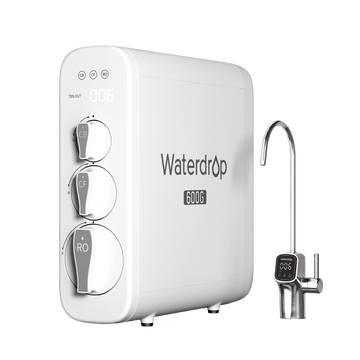
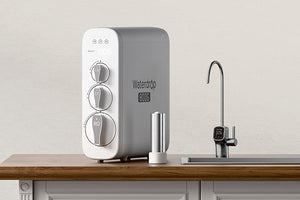
Waterdrop is the brand of choice for most households in Spain. They offer various water filter options from
simple
faucet filters to advanced RO systems that remove up to 99% of contaminants, ensuring safe and
healthy
drinking water for your home.
Practical Tips for Using Tap Water in Barcelona

Below are a number of friendly tips that you, a European traveler, can apply to ease your water experience:
- Check the plumbing in your accommodation: If it’s a new hotel, you’ll end up having little trouble. But for an older apartment, it’s recommended that the water should run for 30 to 60 seconds before filling your water bottles.
- Chill it a little: If it doesn't taste right, pour it in a jug and let it sit in the refrigerator for an hour. Then it will taste better, since refrigeration will soften the flavor.
- Reuse a water bottle: There are a number of water fountains around Barcelona, so it is easy to refill your water bottle instead of having to purchase water each time.
- Think About a Water Filter: If your stays are for a week or longer, a water pitcher or water filter tap attachment can improve the taste of your water, reducing your need for bottled water.
- Request tap water in restaurants: The law states that restaurants are free to provide free tap water to patrons upon request. If asked to purchase bottled water when tap water is what you would like, ask for “agua del grifo, por favor” .
Conclusion
It is safe to drink tap water in Barcelona. However, it has to be kept in mind that it may taste different from
what is consumed in your country, along with different minerals, especially if your house is using outdated
water pipes, in that case, using a water filter can help a lot.
If you want to access water without any hassle, the best way is to keep water by: drinking tap water, having a
water container, and investing in a water filter if needed, perhaps for the duration of your visit.
If it is necessary for the traveler to purchase a water filter, waterdrop water filters can prove to be useful
additions. Enjoy your trip to Barcelona – and don’t forget to stay hydrated, explore confidently, and appreciate
using the tap water!
FAQs About Can You Drink Tap Water in Barcelona
Drinking water fountains in public places, are they safe?
Yes, they are. The water fountains found in Barcelona are linked to the same treated water that comes from taps
in homes, making it safe for drinking. However, ensure that the water fountain appears well taken care of before
use.
I have sensitive digestion — should I filter the tap water?
Perhaps if you've got a sensitive stomach or are used to drinking water that has a softer mineral content, then
the taste or mineral difference will stand out to you. It's better for you to choose the easy-installation water
pitcher like Waterdrop ED01.
Does water quality differ from district to district in Barcelona?
The water is, for the most part, centrally treated and safe for consumption throughout the city, although it may
taste ever so slightly different in certain buildings or neighborhoods depending on local plumbing loops, so
it’s safe to say that, if in doubt, turn it on for a minute or filter it.
Can I cut costs and waste by drinking tap water instead of bottled water?
In Barcelona, bottled water can cost around €1 to €2 per liter, which adds up quickly if you’re purchasing
regularly. By opting for tap water, it can help reduce both your expenses and plastic waste.

Choose Your Water Solutions
- Smart Reverse Osmosis System No Tank, No Bacteria
- Water Filter for Sink Space & Water Saving
- Refrigerator Water Filter Pure Water, Effortlessly
- Water Filter Pitcher Stay Hydrated Always
- RO System Replacement Filters Change Your Filters Regularly
Categories
- Buyer's Guide Complete buying guides to help you choose wisely
- Water Contaminants Offer the best solution to solve the water problems
- Water Stewardship Responsibility for sustainable water management
- Home and Wellness A better and healthier world for individuals and families
- Customer Voice Take a look at how other users evaluate Waterdrop


