






Tap Water vs Bottled Water: Which Better for Your Health?
by
Dr. Jonathan Doyle - Updated November 07, 2025


In most EU countries, tap water is carefully monitored, safe to drink, and rich in essential minerals like
calcium and magnesium. Yet, many consumers still choose bottled water, believing it tastes better or offers
greater purity.
However, growing environmental concerns, especially around plastic pollution and carbon emissions, are pushing
more households to reconsider their daily choices.
In this article, we’ll take a closer look at the real differences between tap water vs bottled water, exploring
their safety, environmental impact, and how new filtration systems are helping Europeans enjoy cleaner,
better-tasting tap water without the plastic waste.
Tap Water vs Bottled Water: Main Difference
To help you make an informed choice, we’ve broken down the main factors that matter most to European households:
health, taste, environmental impact, cost, safety, and convenience. You’ll gain a clearer understanding of which
option truly suits your lifestyle.
Health Considerations
Health-wise, both tap and bottled waters are essential hydration tools. Tap water has natural mineral content in
forms of calcium and magnesium essential for maintaining healthy bones and hearts.
According to Natural Mineral Waters
Europe, around 53% of European consumers choose bottled water for its
perceived purity and health benefits .

Mineral water, on the other hand, contains the same nutrients in varying amounts based on origin.The
International Bottled Water Association
(IBWA) clarifies that bottled water is often purified and filtered
through several processes—which can include "reverse osmosis, distillation, or de-ionisation—before packaging".
It seems clean and safe, but the real health risk comes from microplastics — more commonly found in bottled
water due to packaging.
Taste and Quality
Taste often influences water preferences more than health factors. Bottled water is popular for its “pure”
taste, often sourced from natural springs with a balanced mineral profile. It lacks chlorine, which some people
find unpleasant in tap water.
In a Waterdrop consumer study, users frequently describe their residential tap water as "chalky" or "hard"
due to high mineral content.
Even without filtering, tap water in Europe can be considered generally clean and drinkable. For consumers
wanting better-tasting drinking water, they can start with methods that involve leaving it for a minute to allow
the chlorine to evaporate or refrigerating it in the refrigerator.
Environmental Impact
The ecological footprint associated with bottled water is substantial. The process of manufacturing,
transporting, and disposing of bottles made of plastic generates large amounts of greenhouse gases and
pollution.

Every year, millions of metric tons of plastic bottles are manufactured in Europe, most of which go unrecycled.
These bottles can remain in the environment for hundreds of years.
Tap water has very little effect on the environment. The use of re-usable bottles with the public water works
significantly reduces plastic wastes and saves energy, thereby making tap water far more earth-friendly to
consume.
In response to environmental awareness, European bottled water companies are adopting sustainable practices,
with the EU setting
packaging targets to reduce plastic waste ( 5% by 2030, 10% by 2035, and 15% by 2040
).
Cost Comparison
The price difference between tap water and bottled water is dramatic. On average, tap water in Europe costs less
than €0.002 per litre, while bottled water can cost anywhere from €0.50 to €2 per litre. Over a year, a
household relying on bottled water could spend hundreds of euros more for essentially the same hydration.
Switching to filtered tap water offers long-term savings. Even when factoring in the cost of a quality
filtration system, the investment usually pays for itself within months.
Safety Standards
Both tap and bottled water in Europe must comply with strict safety standards — but the difference lies in
frequency and transparency of testing.

Tap water is tested daily by municipal authorities for bacteria, nitrates, metals, and chemicals. Results are
publicly available, allowing consumers to verify water quality at any time.
Bottled water, while also regulated, is tested less frequently and typically under the EU Food Safety
Regulations.
Additionally, it is stored in plastic containers that can degrade under heat or prolonged exposure to sunlight.
For everyday consumption, tap water often provides more consistent safety oversight than bottled options.
Tap water quality varies by region, and while it is generally safe, it can still contain chlorine, heavy metals,
microplastics, or other contaminants. Reverse osmosis systems represent the highest standard for providing the
purest drinking water, capable of reducing over 1,000 contaminants, including PFAS, lead, fluoride, and heavy
metals.
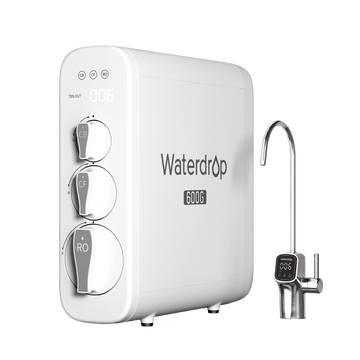
Waterdrop X12 ro system features 11-stage precision filtration including a
robust 0.0001μm RO membrane, composed
of 16 layers. Enhanced with an LED light for assured water safety. It delivers healthy, pure water for you.
Convenience and Practicality
There’s no denying the convenience of bottled water — it’s portable, widely available, and ready to drink
anywhere. It’s a go-to option during travel, emergencies, or when access to clean tap water is limited. However,
for daily hydration at home, in the office, or at restaurants, tap water wins in practicality and
sustainability.

With the rise of reusable stainless steel bottles and water
filtration systems, Europeans can now enjoy
convenience without contributing to plastic waste.
Waterdrop NSF-certified undersink ro filtration systems make it easy to get
fresh, safe water instantly, no
heavy lifting, no recycling hassle, and no environmental guilt.
Conclusion
When it comes to deciding between tap water and bottled water, there are definitely pros and cons to factor in
terms of healthcare, taste, price, and the effects on the environment.
Where Europeans are concerned and where there is a need to opt for something that is green, affordable, and
healthy, tap water is definitely better than bottled water. While bottled water can be useful during travel or
occasional consumption, it can be very expensive in the long run and bad for the earth.
FAQs About Tap Water vs Bottled Water
Is tap water in Europe safe to drink?
Yes, the tap water in Europe is well regulated and can be considered very healthy to drink on a regular basis.
The tap waters are regularly tested for the presence of bacterial, metallic, and chemical contaminants by the
relevant authorities in most European countries.
How is bottled water pricier than tap water?
The prices for bottled water are higher because of the processes involved in the production process, packaging,
and marketing of the product to the consumer. Tap water can be hundreds to thousands of times cheaper than
bottled water per liter.
Is bottled water tastier than tap water?
Personal preferences apply to tasting. Bottle water, especially if it is mineral/spring water, is packaged
because it tastes clean, while others who purchase it feel it tastes no different from tap water. Solutions such
as refrigerating tap water or adding optional filters can improve taste.
What are the effects of bottled water on the environment?
The packaged drinking water industry is one of the biggest causes of plastic pollution, greenhouse gas
production, and the consumption of energy in the world. Millions of bottles are manufactured every year, with
most being treated in improper ways or not being recycled at all.
Can Home Water Filters Replace Bottled Water?
Yes, the home filter can furnish clean
and drinking-quality water, although it is optional. The tap water in
most European countries is in any case clean and mineral-rich. The purpose of filtering in most cases is only to
eliminate impurities or to improve taste.

Choose Your Water Solutions
- Smart Reverse Osmosis System No Tank, No Bacteria
- Water Filter for Sink Space & Water Saving
- Refrigerator Water Filter Pure Water, Effortlessly
- Water Filter Pitcher Stay Hydrated Always
- RO System Replacement Filters Change Your Filters Regularly
Categories
- Buyer's Guide Complete buying guides to help you choose wisely
- Water Contaminants Offer the best solution to solve the water problems
- Water Stewardship Responsibility for sustainable water management
- Home and Wellness A better and healthier world for individuals and families
- Customer Voice Take a look at how other users evaluate Waterdrop


