







Is Tap Water Safe for Drinking In France?
by
Dr. Jonathan Doyle - Updated July 31, 2025


When we talk about France, we often mention the amazing cuisine, excellent culture, and fascinating landscapes.
But beyond that, people are interested in basic things like the quality and safety of the drinking water
available to the French people.
So if you wonder if you can safely drink tap water in France, this article addresses your concerns. It provides
more insight into the quality of tap water in France, the potential contaminants, and the necessity of using a
water filter.
Is Drinking Tap Water in France Safe?
The short, official answer is “Yes.” That’s because it complies with the
European Union drinking water standards . According to the French Ministry of Health, the water is
regularly tested and distributed through a vast system that meets strict safety requirements.
How about the long answer? While there are maximum allowable limits for different contaminants based on these
regulations, it is not guaranteed that the water is 100% free of contaminants. Even certified clean water can
still contain several pollutants and chemicals in minimal concentrations. These put your health at risk,
especially when you’re exposed over a long period.

What Contaminants Could Be Found in Tap Water in France?
Let’s take a closer look at some of the contaminants in French tap water, even with the extensive treatment.
1. Agricultural Chemicals like Nitrates and Pesticides
France has a rich agricultural history. One of the side effects of this is the residual pesticides in
the soil that may leach into rivers and groundwater, which are the two primary tap water sources.
Detectable pesticide residues and higher nitrate levels have been reported in some peri-urban and rural areas,
with accompanying risks of hormonal disruption and other health concerns in humans.
2. Heavy Metals like Arsenic and Lead
France is an ancient city, with tons of older buildings in cities like Marseille, Lyon, and Paris. While these
edifices are pleasing to the eye, they do not boast the best infrastructure. The old plumbing systems in these
structures are made up of solder and lead pipes.
This comes with a risk of trace lead contamination, which has been linked to impaired neurological development
in children. In addition to lead, some regions in France have naturally occurring arsenic in their groundwater.

3. Chlorine and Byproducts of Chlorine
Chloramine is usually preferred for water disinfection, and that’s because it removes pathogens from water.
However, it also reacts with organic matter to produce disinfection byproducts (DBPs), such as trithalomethanes . Even
worse, trihalomethanes have been considered potential carcinogens.
4. Microplastics, PFAS, and other Emerging Contaminants
According to recent research, PFAS and microplastics are becoming pervasive in tap water. Unlike other
contaminants, these are not naturally degradable. Therefore, they accumulate in the human body, causing
reproductive, hormonal, and immunological issues.
Click here to learn more about How to Avoid PFAS in Your Drinking Water?
Variations in Water Quality Across Different French Regions
Interestingly, water quality varies across different regions of the country. Here’s how they vary:
Urban Centres
Paris and other urban cities are equipped with advanced, regularly-monitored treatment facilities. The only
issue here is the old pipes in the ancient buildings.
Rural and Agricultural Areas
Located away from major cities, rural areas are at a high risk of nitrate, pesticide, and microbial
contamination. We can attribute this to agricultural runoff coming from farmlands.
Mountainous or Remote Areas
These remote areas usually rely on wells or spring water. These water sources are known to be less treated and
more likely to harbour natural contaminants.
What these have shown is that irrespective of the region, tap water is not entirely safe in France. The extent
of its safety depends on the local infrastructure condition and the level of maintenance.

Is Bottled Water a Safer Option?
Bottled water is often presented as a safer alternative to tap water. But that doesn’t make it your go-to for
drinking. Here are a few downsides of adopting bottled water as the primary source of drinking water:
- Cost: Buying bottled water regularly is expensive, especially in the long term.
- Environmental Impact: The plastic bottles from bottled water contribute significantly to pollution. Recycling is an option, but these bottles end up in the ocean and landfills.
- No Guarantee of Purity: Despite claims of being cleaner than tap water, researchers have reported microplastic leaching from plastic packaging, raising health concerns.
If you want to know more about bottled water and reverse osmosis filtered water, read this article: Is
Reverse Osmosis Water Better Than Bottled Water?
Getting Pure Water in France With Reverse Osmosis Systems
What Is Reverse Osmosis (RO)?
Reverse Osmosis is an effective water purification technology that filters water by forcing it through a
semi-permeable membrane, capable of removing up to 99% of harmful contaminants. It’s effective against heavy
metals like arsenic and lead, as well as agricultural chemicals such as nitrates and pesticides, and common
disinfectants like chlorine and their harmful byproducts.
In addition, RO systems work effectively in getting rid of microplastics and PFAS, as well as bacteria and viruses. With these systems,
families and individuals can rest assured of a high level of protection, producing clean, safe drinking water
directly from their taps.

Why Choose Waterdrop Reverse Osmosis Systems?
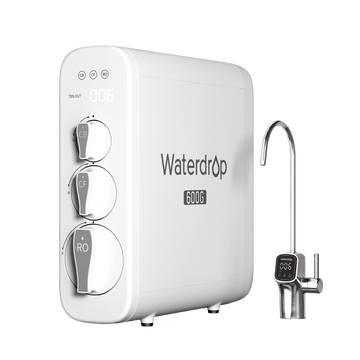
If you’ve decided to switch to reverse osmosis systems, Waterdrop is an excellent option. The Waterdrop reverse
osmosis systems are built with European homes in mind, with features like:
- Multi-stage filtration that removes contaminants completely.
- Compact design that saves space and ensures fitness for under-sink installation.
- Low wastewater translates to high water efficiency.
- Compliance with EU safety standards backed with necessary certifications.
With a Waterdrop RO system installed in your home or office, you can always enjoy safe, fresh, and delicious
drinking water.
Frequently Asked Questions (FAQ)
Is it safe to drink tap water?
Yes, and that’s because it meets the general safety standards according to the law. However, it might still
contain trace contaminants, microplastics, lead, and pesticides. All these come with health risks, especially
after long-term exposure.
Should you install a reverse osmosis system at home?
Yes, you should. These systems are capable of filtering out various contaminants conventional water treatment
struggles with. This gives you water that is safe for drinking and cooking.
How easy is it to install a Waterdrop RO system?
Very easy. Waterdrop reverse osmosis systems are suitable for simple DIY installation. While you can opt to use
a professional, it is not compulsory; you can also install it yourself.
Is bottled water purer than filtered tap water?
Not entirely. While bottled water is often touted as pure, it actually contains microplastics because it’s not
subjected to the same comprehensive filtration as reverse osmosis filters. It also costs more and damages the
environment.

Choose Your Water Solutions
- Smart Reverse Osmosis System No Tank, No Bacteria
- Water Filter for Sink Space & Water Saving
- Refrigerator Water Filter Pure Water, Effortlessly
- Water Filter Pitcher Stay Hydrated Always
- RO System Replacement Filters Change Your Filters Regularly
Categories
- Buyer's Guide Complete buying guides to help you choose wisely
- Water Contaminants Offer the best solution to solve the water problems
- Water Stewardship Responsibility for sustainable water management
- Home and Wellness A better and healthier world for individuals and families
- Customer Voice Take a look at how other users evaluate Waterdrop


