








Why Do I Feel Nauseous After Drinking Water? Causes and Solutions
by
Dr. Jonathan Doyle - Updated March 03, 2026


Drinking water is one of the simplest and healthiest practices. Water is essential for digestion, regulating
body temperature, transporting nutrients, and maintaining the body in good working order, all without adding
calories or sugar to your diet.
Drinking water, however, can occasionally induce nausea in some people. You can be feeling great, have a drink
of water, and then suddenly feel uncomfortable, bloated, and have an uneasy feeling in your stomach. While it is
uncomfortable, it is something that can be worked with once the reasons for it are understood.
Let’s find out why drinking water can induce nausea and what can be done about it.
What is Nausea?
Nausea is an uncomfortable feeling of unease in the stomach or upper abdomen, often with an urge to vomit. It
can also be associated with dizziness, sweating, weakness, and excessive saliva production.
Nausea is the body’s way of telling us that something is bothering it, something that is disturbing it. While
nausea is most often associated with illness, food intolerance, and motion sickness, nausea can be induced by
drinking water as well, but that is subject to certain factors.
Water Quality and Its Impact on Nausea
Drinking water is of high safety standards across most of Europe. Water quality, however, can be variable
depending on the specific geographical area. Water can be sourced from different sources and can be treated
differently. In some cases, water can induce nausea due to certain chemicals present in it.
Chemical Contaminants
Small amounts of agricultural runoff, industrial residues, and heavy metals can be present in water sources.
Even though it is present in small amounts, it can still induce nausea in some people.
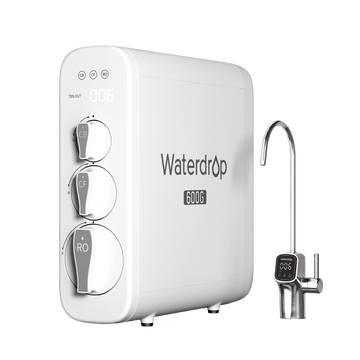
Advanced water filtration systems, particularly reverse osmosis (RO) water filtration , can greatly reduce these
impurities, thereby creating gentler and tastier water.

Chlorine and Disinfection Byproducts
Chlorine is a common disinfectant in water treatment plants to kill microorganisms in water. Though this makes
water microbially safe, it may produce disinfection byproducts, affecting the taste and odor of water.
For people with sensitive stomachs, a higher level of chlorine or chlorine byproducts may lead to stomach
discomfort or mild nausea. Water filtration can improve the taste of water.
Parasites and Microorganisms
In very rare instances, untreated or undertreated water, such as from a personal well or a water main break, may
contain microorganisms, including Giardia or Cryptosporidium , which can lead to stomach infections, resulting
in nausea, stomach cramps, vomiting, and diarrhea.
A high-quality water filtration system can be a valuable investment, particularly in areas where water quality
may fluctuate.
Other Common Causes of Nausea after Drinking Water
Nausea after drinking water may not always be directly related to the quality of the water.
Acid Reflux (GERD)
People suffering from acid reflux or gastroesophageal reflux disease may complain of nausea after drinking
water, as a large quantity of water can put considerable pressure on the stomach, allowing stomach acid to flow
up to the esophagus.
To avoid this, it is best to drink small quantities of water at a time, and it is advisable not to lie down
after a drink.

Drinking Water on an Empty Stomach
Consuming large quantities of water while the stomach is completely empty can cause nausea in some people. This
is because the stomach produces excess stomach acids, which can cause nausea.
Consuming a light snack before taking the water can help.
Electrolyte Imbalance
Electrolytes are salts like sodium, potassium, and magnesium. These are the substances responsible for nerve
functions and the movement of muscles. After exercising or sweating profusely, if you drink large quantities of
plain water, it can cause an electrolyte imbalance, which can cause nausea.
In these cases, moderate amounts of electrolytes can help restore the balance.

Drinking Very Cold Water
Drinking very cold water can cause stomach contractions. This can cause nausea in some people. Drinking cool or
room temperature water can help.
How Can You Prevent Nausea After Drinking Water?
It is essential to stay hydrated. However, comfort is also important. Here are some tips for you:
Sip Slowly
Drinking small sips instead of large gulps can help.
Time Your Water Intake
Consuming too much water before, during, or even after meals can cause nausea and bloating. To improve the
digestive process, one can consume water 30 minutes before meals or at least 30 minutes after meals. It is also
recommended to take only small sips of water during meals.
Maintain Electrolyte Balance
After heavy exercise, one can include electrolyte-rich foods or sports drinks with low sugar content in their
meals to avoid nausea.

Use Clean, Filtered Water
Using high-quality filtered water can enhance the taste of the water and help remove unwanted particles. It can
also help one avoid stomach irritation. Advanced filters like reverse osmosis filters by Waterdrop can help one
obtain clean and fresh water.
Consult a Healthcare Professional
If nausea is an ongoing issue, one can consult a medical professional. This is because nausea can be an
indicator of gastritis, infections, and digestive problems.
Round Up
Nausea is often associated with the consumption of water. However, the situation is not alarming. Most cases of
nausea can be addressed. The possible causes of nausea while consuming water include water quality problems,
digestive problems, electrolyte problems, rate of water intake, and the temperature of the water.
By choosing the best quality of water, one can stay hydrated while feeling comfortable.

Choose Your Water Solutions
- Smart Reverse Osmosis System No Tank, No Bacteria
- Water Filter for Sink Space & Water Saving
- Refrigerator Water Filter Pure Water, Effortlessly
- Water Filter Pitcher Stay Hydrated Always
- RO System Replacement Filters Change Your Filters Regularly
Categories
- Buyer's Guide Complete buying guides to help you choose wisely
- Water Contaminants Offer the best solution to solve the water problems
- Water Stewardship Responsibility for sustainable water management
- Home and Wellness A better and healthier world for individuals and families
- Customer Voice Take a look at how other users evaluate Waterdrop


