






Water Allocation Plan in Europe
by
Dr. Jonathan Doyle - Updated July 31, 2025


In Europe, water scarcity is becoming more severe, and governments, businesses, and households are forced to
reconsider how water is distributed. An optimally and well-designed water allocation plan can help make sure
that we fairly distribute water to agriculture, industry, urban centers, and natural ecosystems, and do not
overstretch our water resources.
As the water stress becomes an increasingly pressing issue, as the infrastructure age becomes a growing concern,
and as the weather patterns become more unpredictable, this becomes a serious problem that has escalated beyond
the government. Moreover, it directly impacts the household and products, as Waterdrop water filters can promote
efficiency and safety in your everyday routine.
Why Europe Should Prioritize a Water Allocation Plan?
The water resources in Europe are strained. Seasonal water shortages have affected more than one-third of the
population. Water exploitation has become extremely high in some countries, so demand often surpasses what can
be sustainably supplied.
On the other hand, there’s a strong competition between industries and households with agriculture, and
ecosystems are left exposed. When water is allocated inequitably or unsustainably, rivers go dry, crops wither,
energy production drops, and public health is threatened.
A harmonized and integrated water allocation plan is required to avoid this crisis. This includes striking a
balance between the water supply and real demand, imposing constraints, and promoting greater efficiency in all
sectors.

What Are the Criteria for a Good Water Allocation Plan?
1. Basin-Level Management
Water does not respect political boundaries and extends across basins and watersheds. The management of water at
the river basin level, such as the Danube or Rhine , rather than the national borders, means that all the upstream and
downstream are in a standard system.
Effective water allocation plans entail locally based basin authorities that can oversee usage, settle disputes,
and make decisions in real time.
2. Economic Tools That Promote Efficiency
Water allocation extends beyond the rules and is simply about the incentives. Many European countries commonly
use the following tools:
- Water abstraction charges (pay as you system)
- Granting permission to sectors to buy/sell allocations and ensuring tradable water rights
- Subsidies to promote water security and efficient equipment
These economic tools incentivize farms and industries to consume less water or invest in smart technologies.
3. Investment in Infrastructure and Technological Innovation
In Europe, water losses due to leaking pipes are about 25 percent, while they exceed 50 percent in some
countries. This reflects the importance of investment in modern technology and tools. This includes:
- Changing old water pipes
- Installation of smart meters
- Using wastewater to irrigate crops, or for industrial usage
- Creation of nature-based solutions, such as water storage in wetlands
All of the above enhance water use without requiring the location to add additional water.

4. Data-Driven Allocation
Innovative technology has become a significant component in water management. The use of sensors, data
platforms, and AI tools can track the volume of water consumed and its location, so that the limit is not
overstepped and shortages are predicted before they occur.
This enables governments to respond to allocation on a real-time basis, particularly during a heatwave or
drought crisis.
What Experts Are Saying
Environmental analysts and water experts asserted that the era of minor adjustments to the current systems has
passed, leading to a call for action and radical reform.
Institutions in Europe have established goals of minimizing water consumption and its reuse. According to
experts, the only way forward is to concentrate on smart water governance, which integrates infrastructure,
data, economics, and education.
What You Need to Do at Home
Policy and regulation are important, but households can make a tremendous difference. Here are the ways to
follow:

Repair Leaks and Ensure Smart Meters Installation
A dripping tap or a running toilet may result in the loss of thousands of litres of water annually. The
installation of smart meters would ensure proper monitoring of consumption and notify you when anything goes
wrong.
Use Low Water Consuming Appliances
New washing machines, dishwashers, and toilets consume even less water compared to old models. Make sure to
check EU energy labels with A-ratings of water efficiency.
Take Shorter Showers and Re-Use Water
This can be achieved by taking shorter showers or utilizing the rainwater collected to water the garden to save
unnecessary wastage, particularly during summer.
Apply Filter to Your Tap Water with Waterdrop
A reliable water filter can provide the assurance you need when water quality appears in danger, particularly
during drought or pipe maintenance.
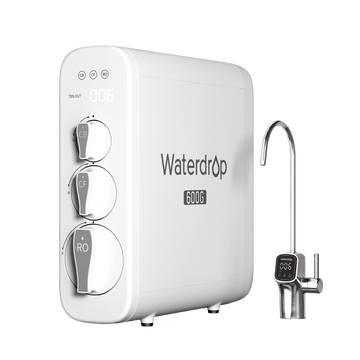
Examples of Waterdrop water filters include reverse
osmosis , under-sink , and countertop versions, which can help eliminate heavy metals, chlorine, PFAS,
and bacteria and improve tap water's flavour and odour. They will also minimize your bottled water use, making
your home more eco-friendly and sustainable.
These filters are friendly to use and convenient to install. They also have a durable cycle and are adapted to
contemporary European households. Not only would using one keep you healthy, but it would also save resources.

Success Stories from Across Europe
In Spain, AI-powered water distribution in the Segura River Basin provided an opportunity to minimize water deficit by
optimizing farmers' and municipal water delivery schedules.
Italy has since created wetlands that collect and purify rainwater, creating a lower risk of floods and
providing the local people with clean water.
Similar attempts are being made in the UK to consolidate several water regulators into a single central
regulatory agency, which is more efficient and publicly accountable.
These cases demonstrate that water allocation plans are effective if they are supported with information,
capital, and social support.
FAQ – Understanding Water Allocation and Management Practices
Q1: What do you know about the water allocation plan?
A water allocation plan is a system that describes the ways in which water is to be allocated among various
users, such as farms, factories, households, and ecosystems, depending on accessibility and sustainability.
Q2: What is the importance of managing water by river basin?
Since water often flows through political boundaries, water management in the whole basin is a fair way to share
the water and keep the environment safe by not overusing it downstream or upstream.
Q3: What is the role of consumers in water allocation?
The role of the government is to establish policies, while households can make decisions in repairing leaking
water pipes, installing water-saving appliances, and using filters, as this could make a huge difference in
overall water consumption and limit demand.
Q4: Are Waterdrop filters suitable for European water?
Yes. Waterdrop filtration systems have been certified to treat typical European water, such as chlorine, PFAS,
lead, and other heavy metals. They can be particularly effective in regions where the pipes are old or where
there are cases of seasonal water issues.
Q5: Is water re-use risk-free?
Yes. Irrigation, industrial, or even groundwater recharge with treated wastewater can be highly regulated and
managed to assure safety.
Final Thoughts
The future of water in Europe lies in how we use this significant resource wisely. The solution depends on a
modern, balanced, flexible water allocation plan, and it is essential not only to industries and governments but
also to the environment and to everyone who switches on a tap at home.

Choose Your Water Solutions
- Smart Reverse Osmosis System No Tank, No Bacteria
- Water Filter for Sink Space & Water Saving
- Refrigerator Water Filter Pure Water, Effortlessly
- Water Filter Pitcher Stay Hydrated Always
- RO System Replacement Filters Change Your Filters Regularly
Categories
- Buyer's Guide Complete buying guides to help you choose wisely
- Water Contaminants Offer the best solution to solve the water problems
- Water Stewardship Responsibility for sustainable water management
- Home and Wellness A better and healthier world for individuals and families
- Customer Voice Take a look at how other users evaluate Waterdrop


